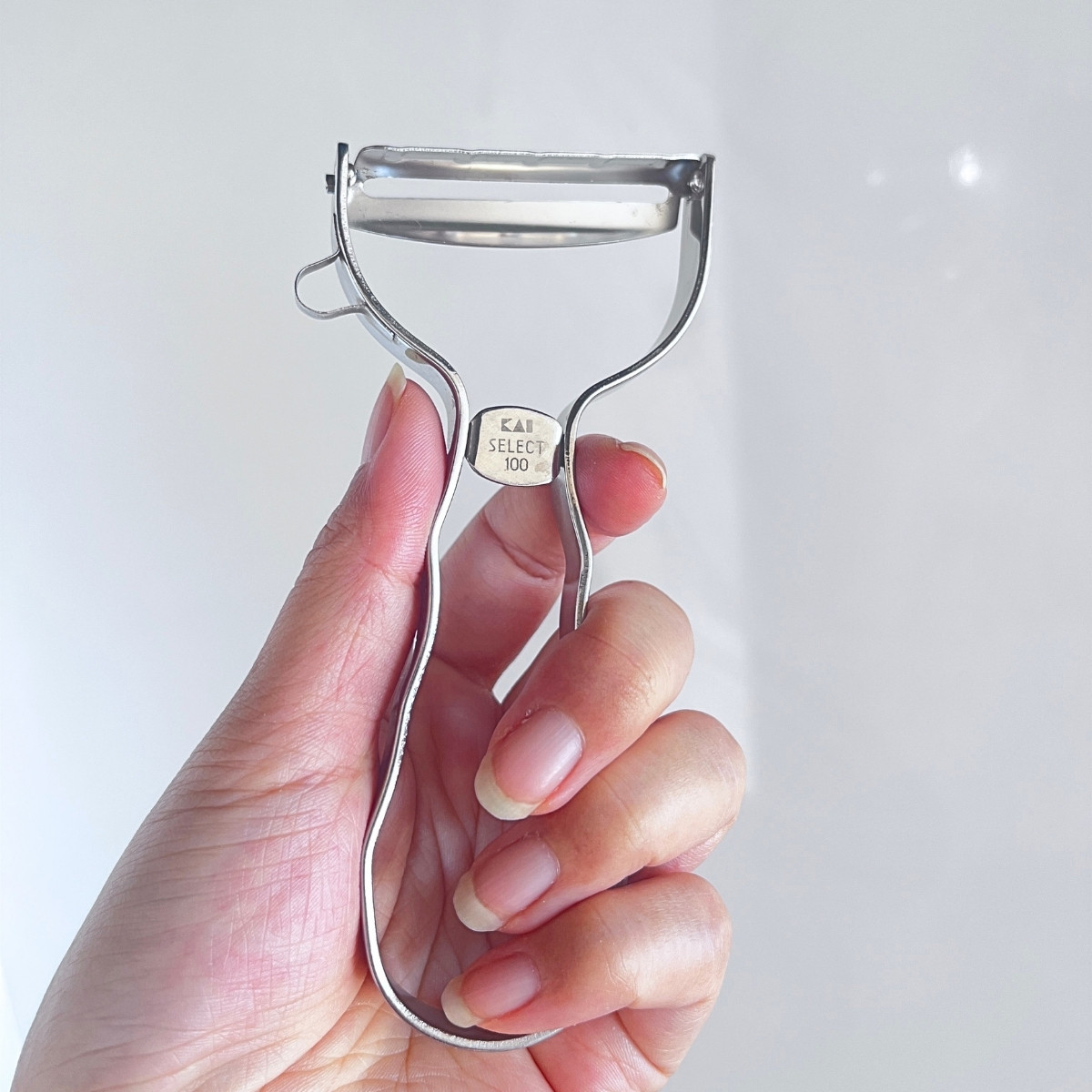
If your peeler takes more and more force, or peels keep getting stuck in the blade, this is the one I’d recommend. I’ve had my Kai peeler for more than 10 years. It wasn’t expensive, and it still peels well.
This post contains affiliate links (see my disclosure for details). As an Amazon Associate I earn from qualifying purchases.
Who it suits
- People whose peeler takes more and more force, or keeps getting peels stuck in the blade
- People who want a peeler that lasts
- People who want a peeler that resists rust
- Left-handers (I’m left-handed, and it’s never felt awkward)
Kai Select 100 T-Peeler
When a peeler gets harder to use
Peelers often get harder to use over time. The blade dulls, you press harder, and your hand gets tired. Some also collect peels in the blade, so you have to stop and clear it out.
The peeler I use
Mine is Kai’s Select 100 T-Peeler. Kai calls it T-shaped, but in the US, this style is often called a Y-peeler. Kai is a Japanese blade maker, and its Shun line is sold in the US as well.
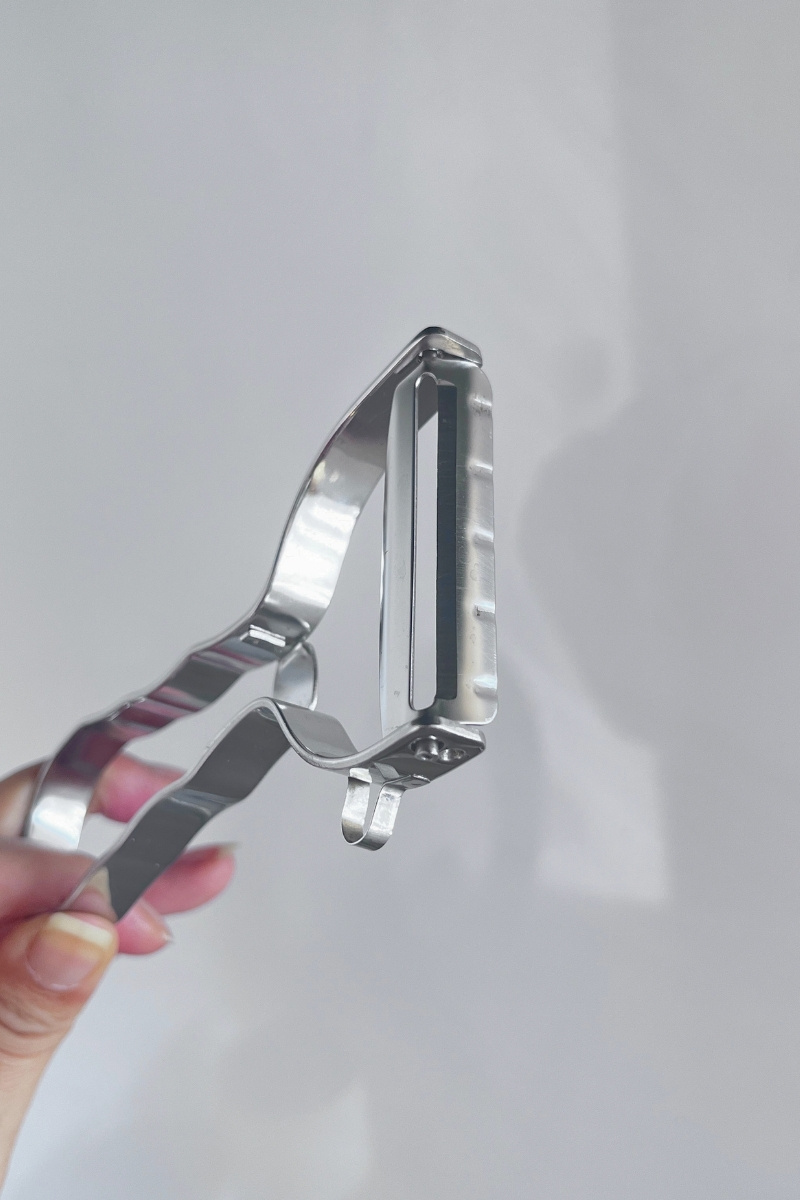
It’s all stainless steel, blade and body. It weighs 57g (2oz) and is 13.7cm (5.4in) long and 6.8cm (2.7in) wide. There’s a potato-eye remover on the side.
The handle has a wavy shape, and when I grip it, my fingers fit right into it. Over the years, it has never slipped in my wet hand or made my hand sore.
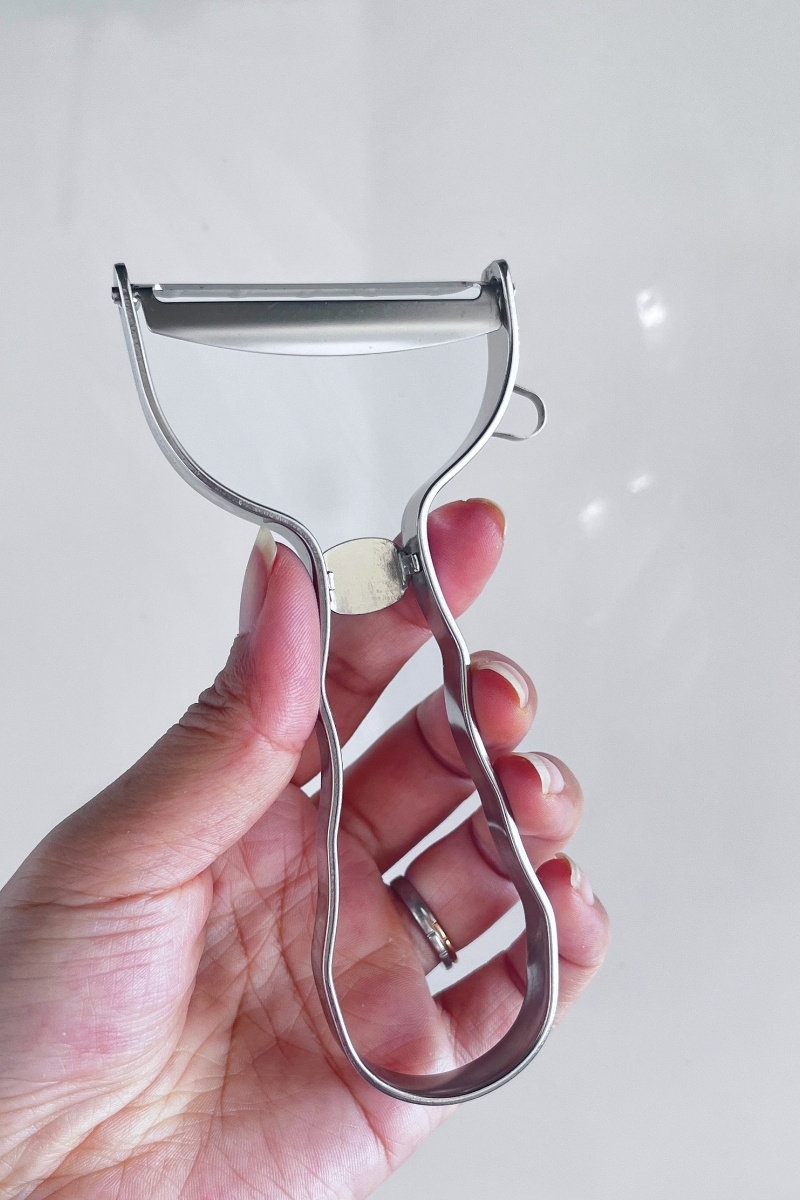
It’s simple, and I like how it looks.
If you already have a Y-peeler
If you already own one and wonder what would change, here’s what I’d point to:
- It stays sharp. Mine still cuts well after all these years.
- Peels don’t get stuck in mine. The blade has small bumps along it, so the peel doesn’t cling to the blade and falls away easily.
- It’s all stainless steel, and mine has never rusted with just hand-washing and air-drying.
Why I’ve kept it this long
Before this one, I used a ceramic knife and peeler that came as a set. I’d picked them for their looks. With that peeler, peels kept getting stuck and the potato eyes were hard to remove. Maybe the angle didn’t suit me as a left-hander, either. With this stainless one, the blade bites firmly into the peel, and none of that happens.
- It’s sharp, so the peel comes off smoothly without much pressure.
- The potato-eye remover on the side is easy to use, too.
- I’m left-handed, though like a lot of lefties, I’m used to tools made for right-handers. Even so, I’ve never found this one awkward in my left hand, and that includes the potato-eye remover.
It’s a common peeler in Japanese kitchens. As of October 2026, it was the No. 1 best seller in the peeler category on Amazon Japan.
Caring for it
I don’t have a dishwasher, so I wash it by hand. Naturally, after years of use, a little vegetable residue builds up bit by bit where both ends of the blade meet the frame and around the base of the potato-eye remover. When it starts to bother me, I clean those spots with a melamine sponge (the kind often sold as a “magic eraser”) and a toothpick, and it gets its shine back.
One thing to know when it’s new
When mine was new, it was almost too sharp. It peels with hardly any pressure, so be careful not to cut your fingers, especially when you wash it for the first few times.
Where to find it
It’s available on Amazon in the US. Check the current price there.
Kai Select 100 T-Peeler
Common questions
Is it made in Japan?
Kai is a Japanese company, and this peeler is made in China.
Is it dishwasher safe?
Kai lists it as dishwasher safe.
What I use it for
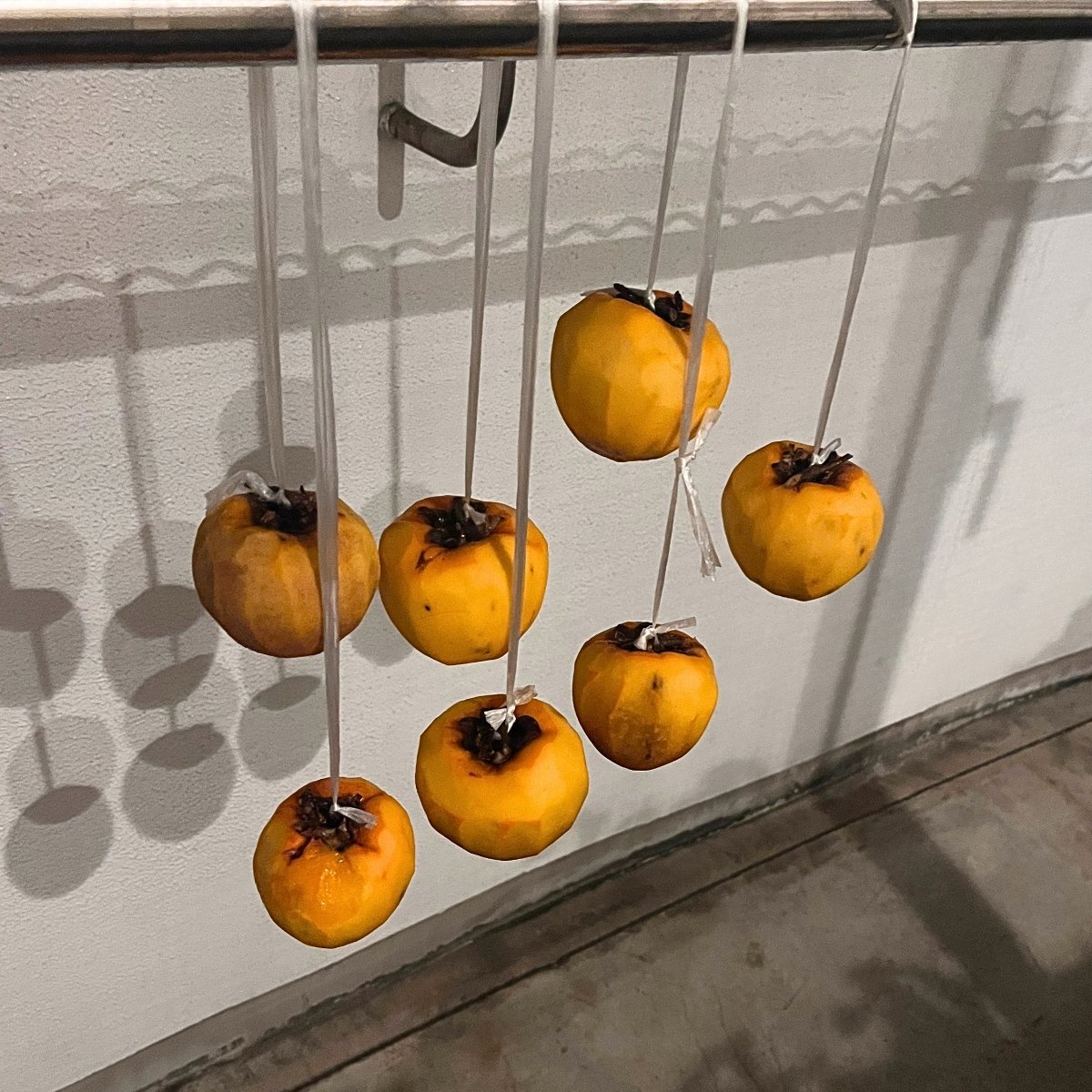
It’s part of my everyday cooking. I use it for all kinds of vegetables that need peeling, like potatoes. And every fall, I use it to peel persimmons before hanging them to dry for hoshigaki, Japanese dried persimmons.
If your peeler has started to feel like work, give this one a try.