Peeling chestnuts with a knife can take a long time, and it’s easy to worry about your fingers.
Every fall, my grandmother sends me lots of chestnuts from the big tree on her land. I used to peel them with a knife, but since around 2018, I’ve used the NEW Kurikuri Bozu (kuri means chestnut in Japanese), a pair of chestnut peeling shears from Suwada.
This post contains affiliate links (see my disclosure for details). As an Amazon Associate I earn from qualifying purchases.
Who it suits
- People who peel a lot of chestnuts every fall
- People who feel nervous using a knife on chestnuts
- Left-handers (I’m left-handed myself)
For me, there’s no going back to a knife.
SUWADA NEW Kurikuri Bozu Chestnut Peeler
When I peeled chestnuts with a knife
Before I had this, I peeled chestnuts raw with a knife. I had to concentrate the whole time so I wouldn’t cut myself, and each one took about 5 minutes. My pot of chestnut rice needs at least 25 to 30 chestnuts, so that’s more than two hours, and my grandmother always sends more than that. It felt endless, my hands hurt, and I even got a blister on my peeling hand once. The thin inner skin was hard to get off cleanly, too.
The chestnut peeler I use
Mine is Suwada’s NEW Kurikuri Bozu Chestnut Peeler in black. On Amazon in the US, it’s listed as chestnut peeling shears. Suwada is a cutting-tool maker in Niigata, Japan, known for its nail clippers.
It’s about 17cm (6.7in) long and weighs about 140g (4.9oz). The blades are carbon steel, and the handles are made of iron and elastomer, a rubber-like material. Suwada says the grip is non-slip, made with people who have dry hands or a weaker grip in mind.
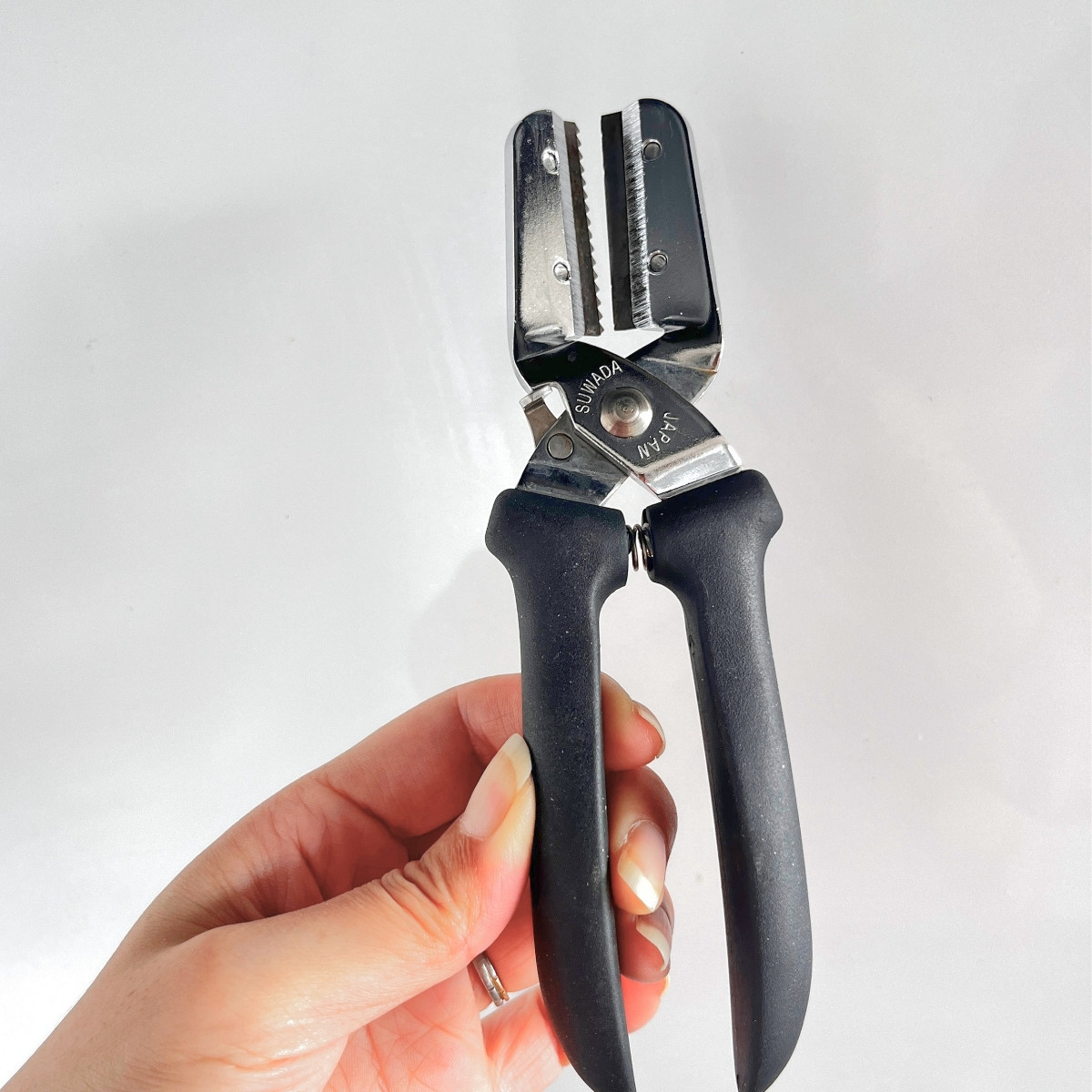
It works like a pair of scissors. I just snip my way around the chestnut, and it feels safe in my hand.
How it works, and why I’ve kept using it
You dig the serrated blade into the chestnut and squeeze the handles, and the cutting blade takes off the hard outer shell and the thin inner skin together.
Suwada’s own video shows it in use.
The blades open in a V shape, so it’s easy to get at small bits of skin. I boil my chestnuts first, and this way, each one takes me about a minute. Raw ones work too, but boiling them first makes it much quicker and easier for me. That makes my pot of chestnut rice more like 25 to 30 minutes. Since it’s scissors and not a knife, I don’t have to watch my hands as closely, and I can even have a video on while I peel.
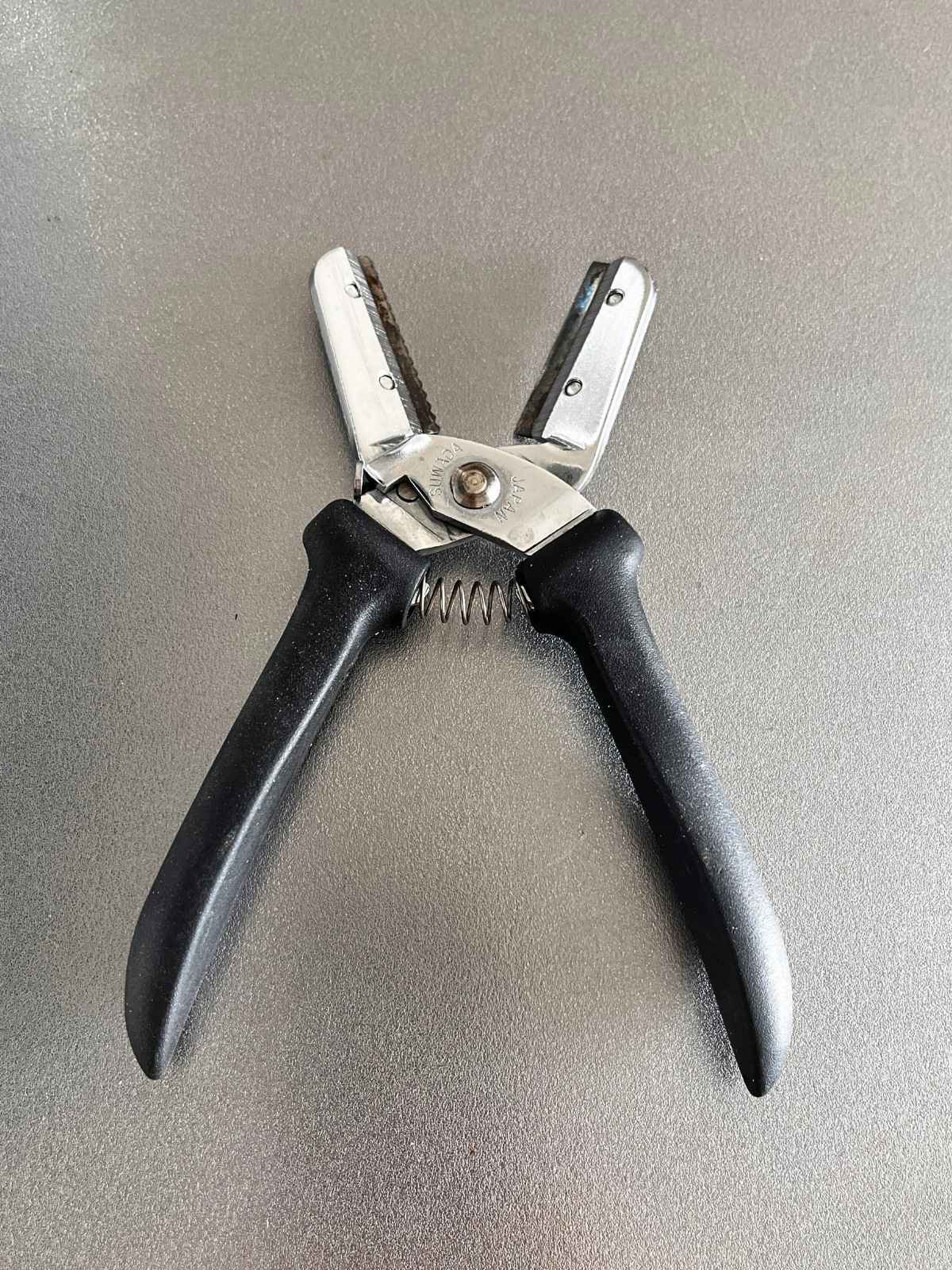
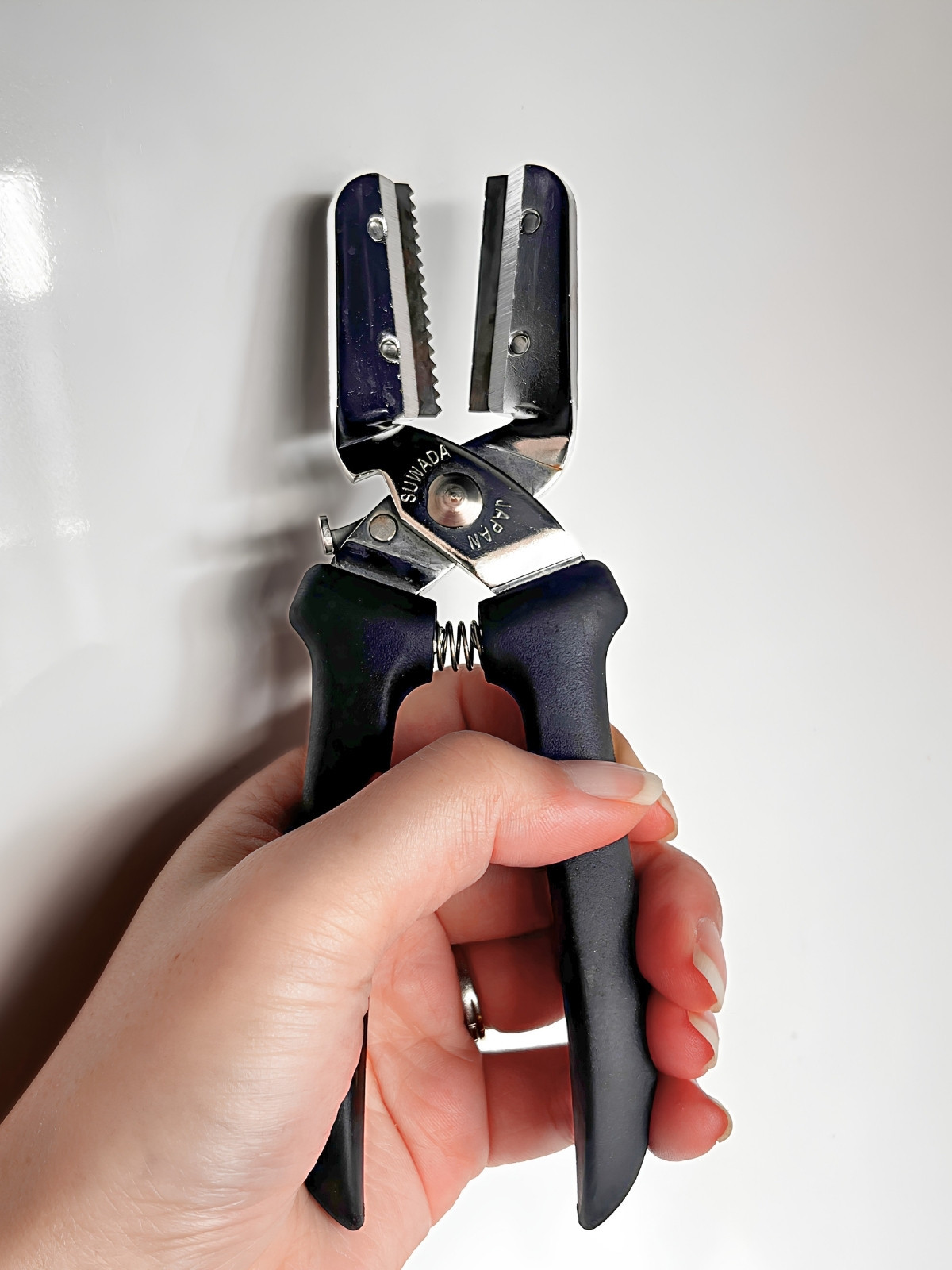
We keep two pairs at home, so my husband and I usually peel together. This year, he peeled almost all of them.
Back when my grandmother sent even more chestnuts than she does now, more than I could eat or peel, I shared them with friends and people I worked with. I remember sending a few of these peelers along with them. Counting those, I’ve probably bought five or six in all.
In Japan, it seems to be a fall favorite. When I checked Rakuten, one of Japan’s largest online shopping sites, in mid-October 2026, it was No. 2 in the peeler category, and its replacement blades were No. 3.
Caring for it, and where I keep it
Suwada recommends not washing it in water, since the blades are steel. Instead, wipe it with a well-wrung cloth and let it dry fully before putting it away. I only learned this while looking things up for this post. I’ve washed mine with regular dish soap for years, wiped it, and let it air-dry, and it hasn’t rusted. That’s just my experience, though, so if you’d like to play it safe, I think Suwada’s way is the one to go with.
Peeling leaves dark stains from the chestnut skins on the blades, so it helps to clean them off well after each use. I scrub the stains off with a magic eraser (a melamine sponge) and dish soap. Suwada doesn’t recommend this either.
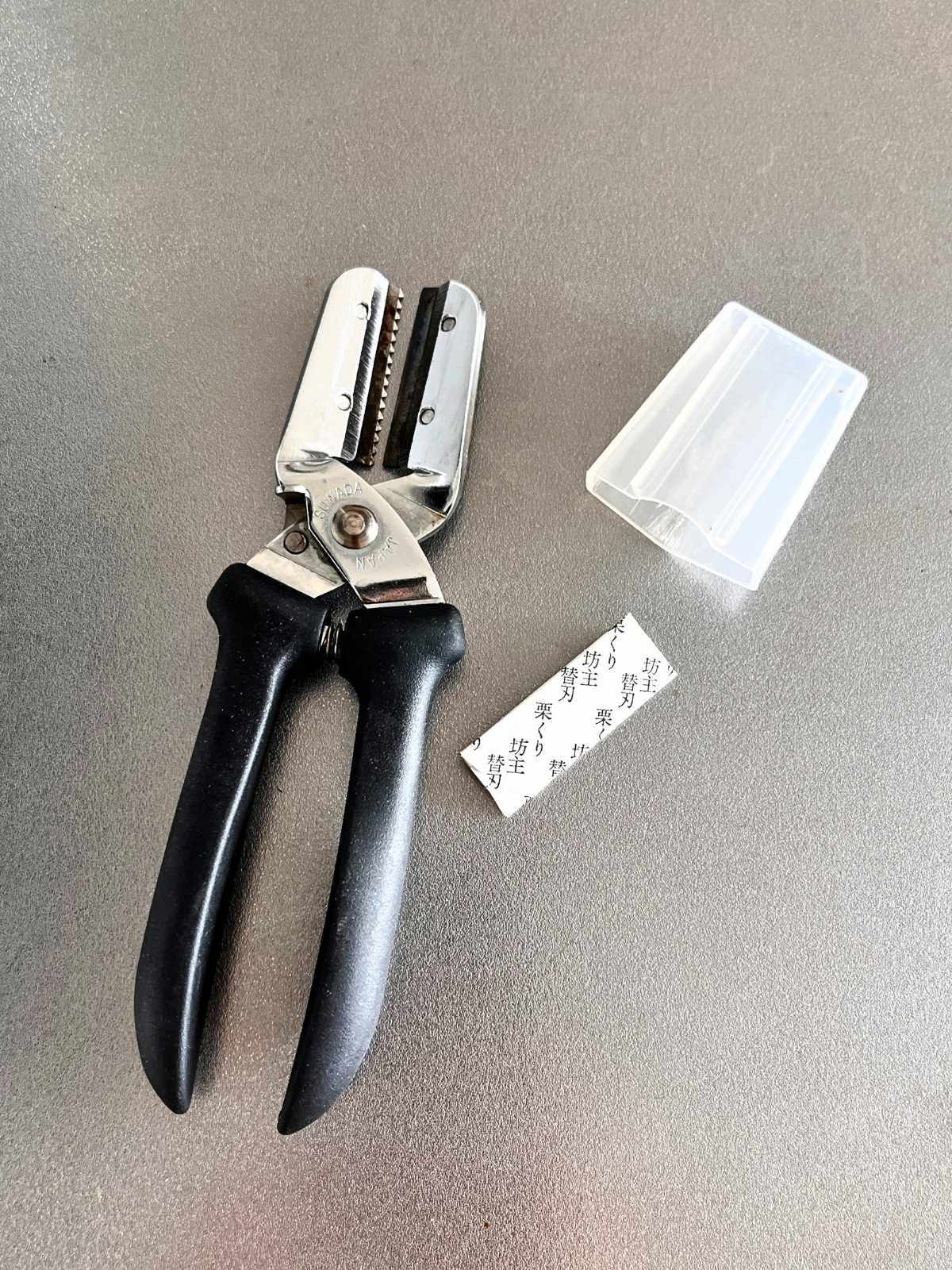
Once it’s dry, I lock the blades and put the cap on.
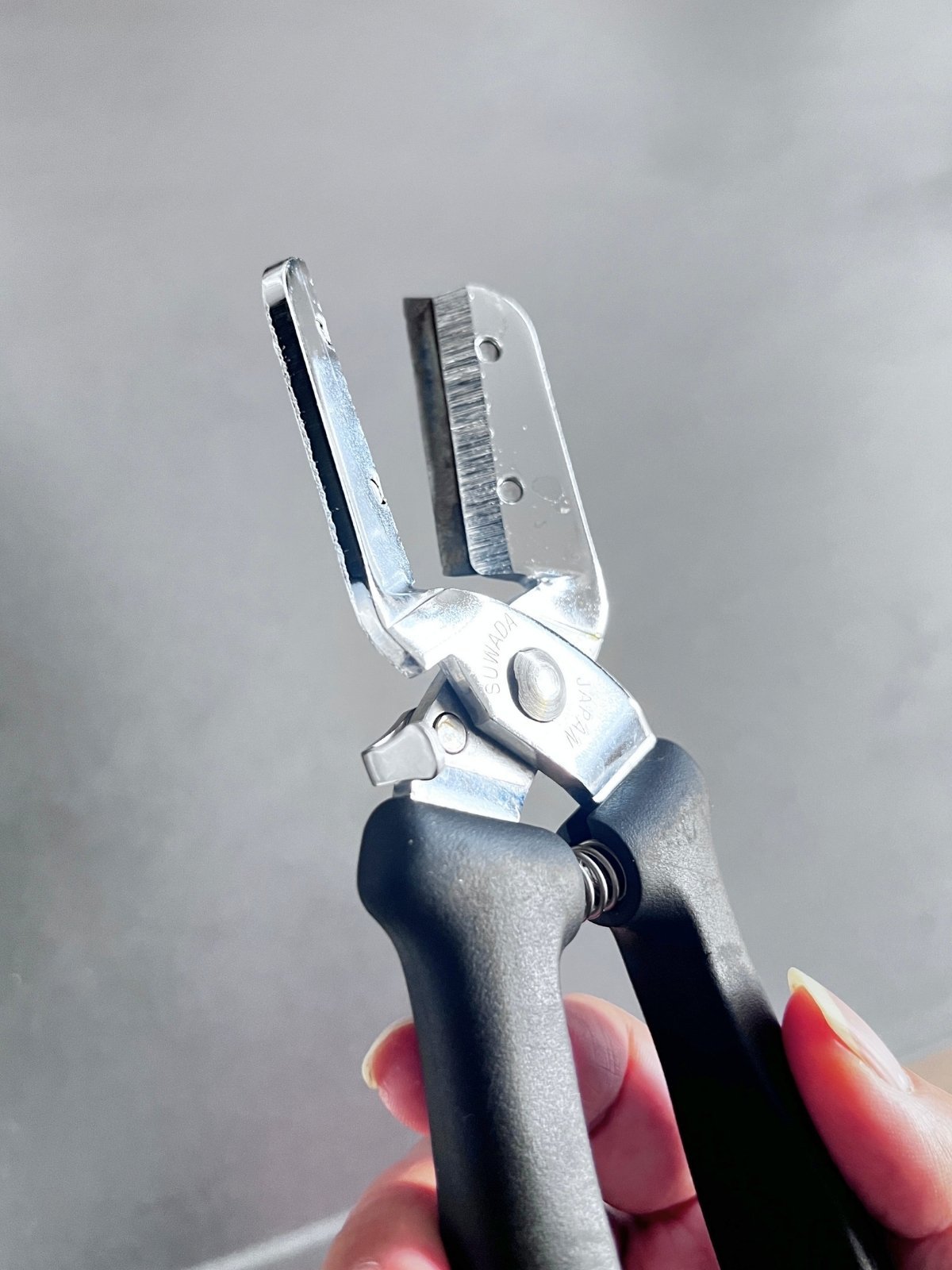
I used to keep it with my spatulas and ladles. But I only use it once a year, and it took up room, so now it goes in a box at the end of my pantry, along with other kitchen tools I rarely use. I’ve had mine for years and haven’t replaced the blade once.
Where to find it
It’s available on Amazon in the US. Check the current price there. The delivery date shows on the listing before you check out.
SUWADA NEW Kurikuri Bozu Chestnut Peeler
Common questions
Can left-handed people use it?
Yes. I’m left-handed, and I use mine just as it came. Suwada says you can also swap the left and right blades for left-handed use. They come off with a screwdriver.
Where can I get replacement blades?
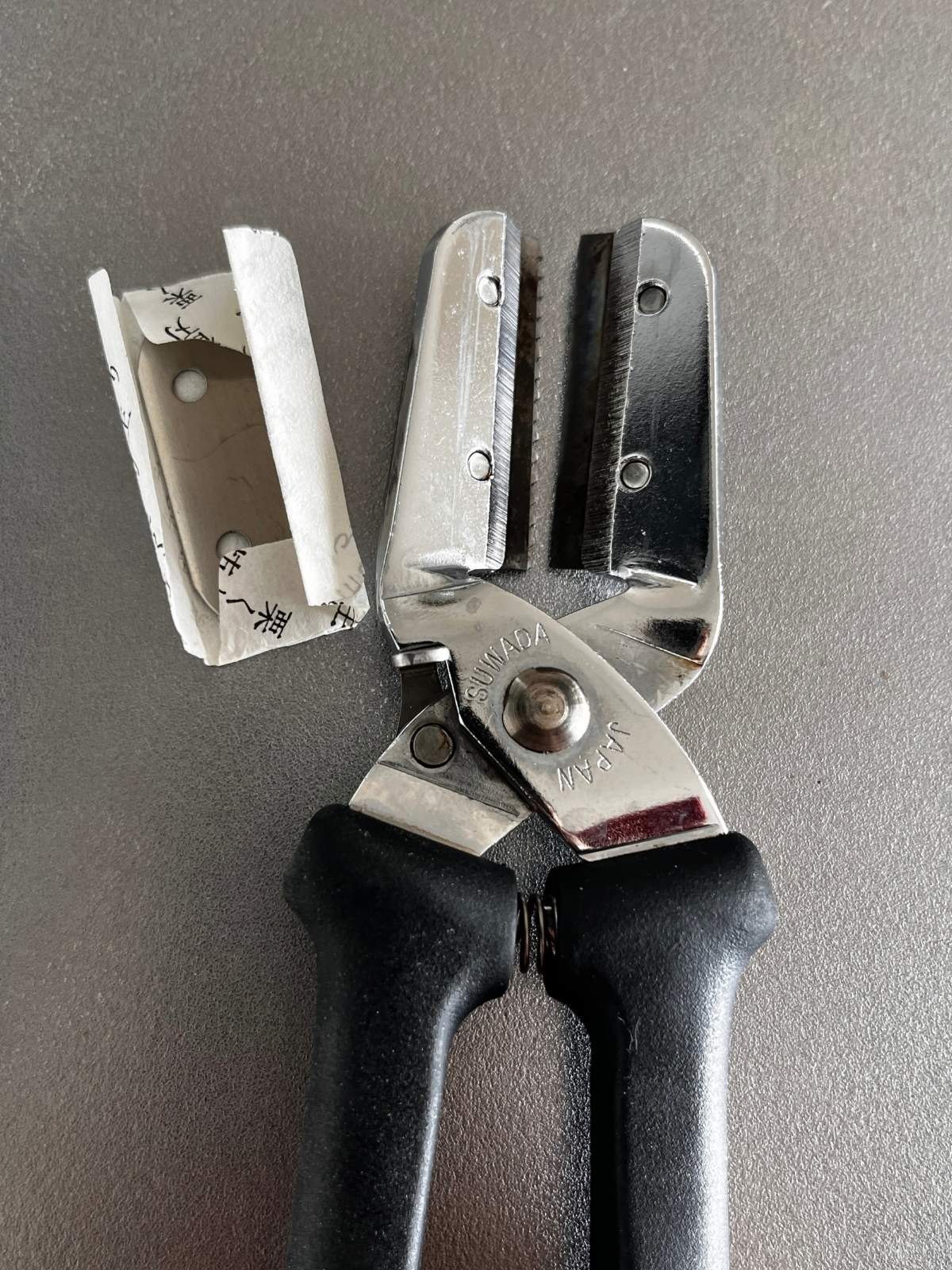
It comes with one spare cutting blade, kept in the cap. Suwada also sells a replacement blade set separately, and it fits the older model too.
What I use it for
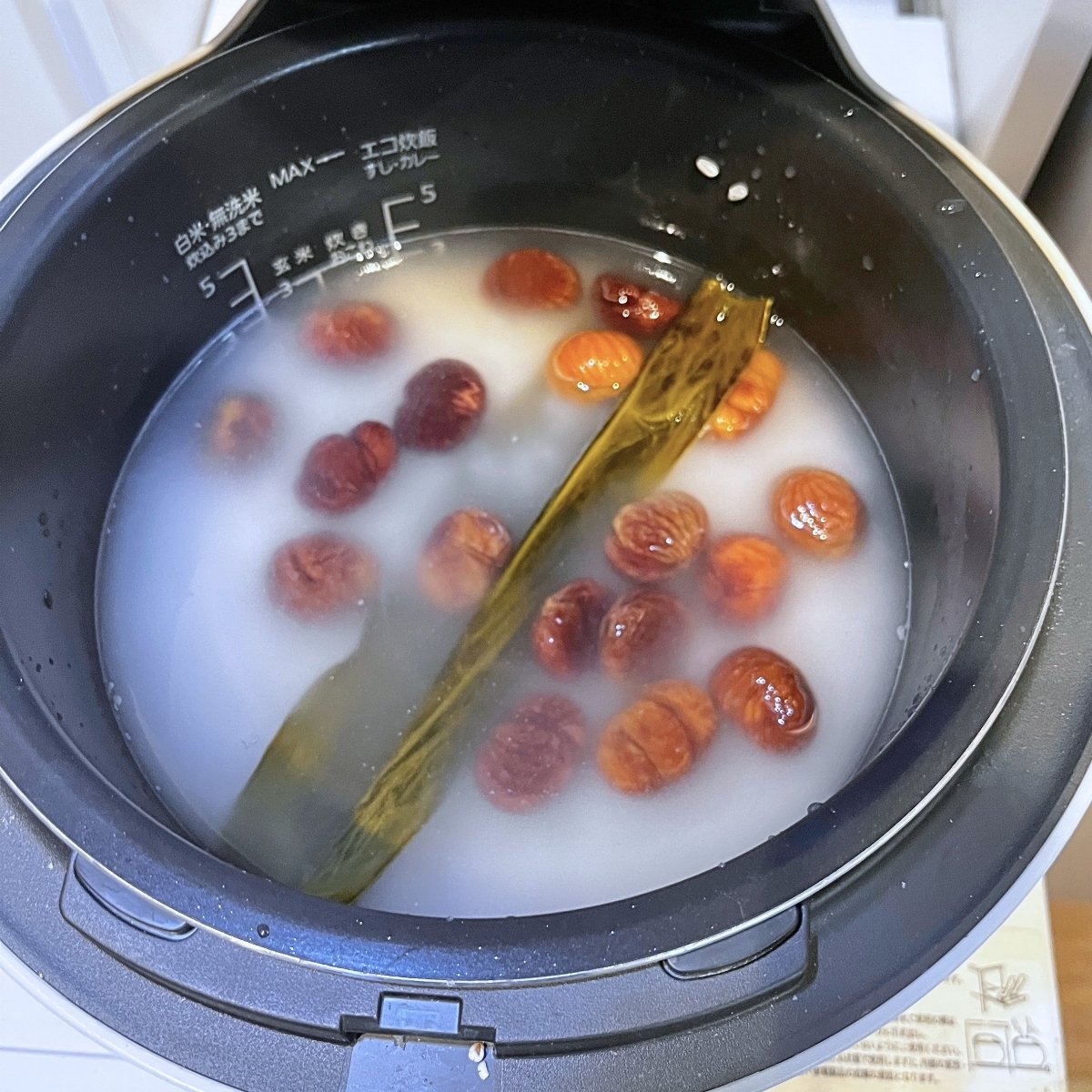
Every fall, I use it to peel my grandmother’s chestnuts for kuri gohan, rice cooked with chestnuts.
Thanks to this, we can peel every last one of my grandmother’s chestnuts.