Some of what I write about on this site can only be bought in Japan. Not “hard to find” — not for sale where you are. MUJI Japan’s online store won’t ship to you, Rakuten sellers won’t either, and Amazon Japan blocks most overseas addresses on domestic-only listings.
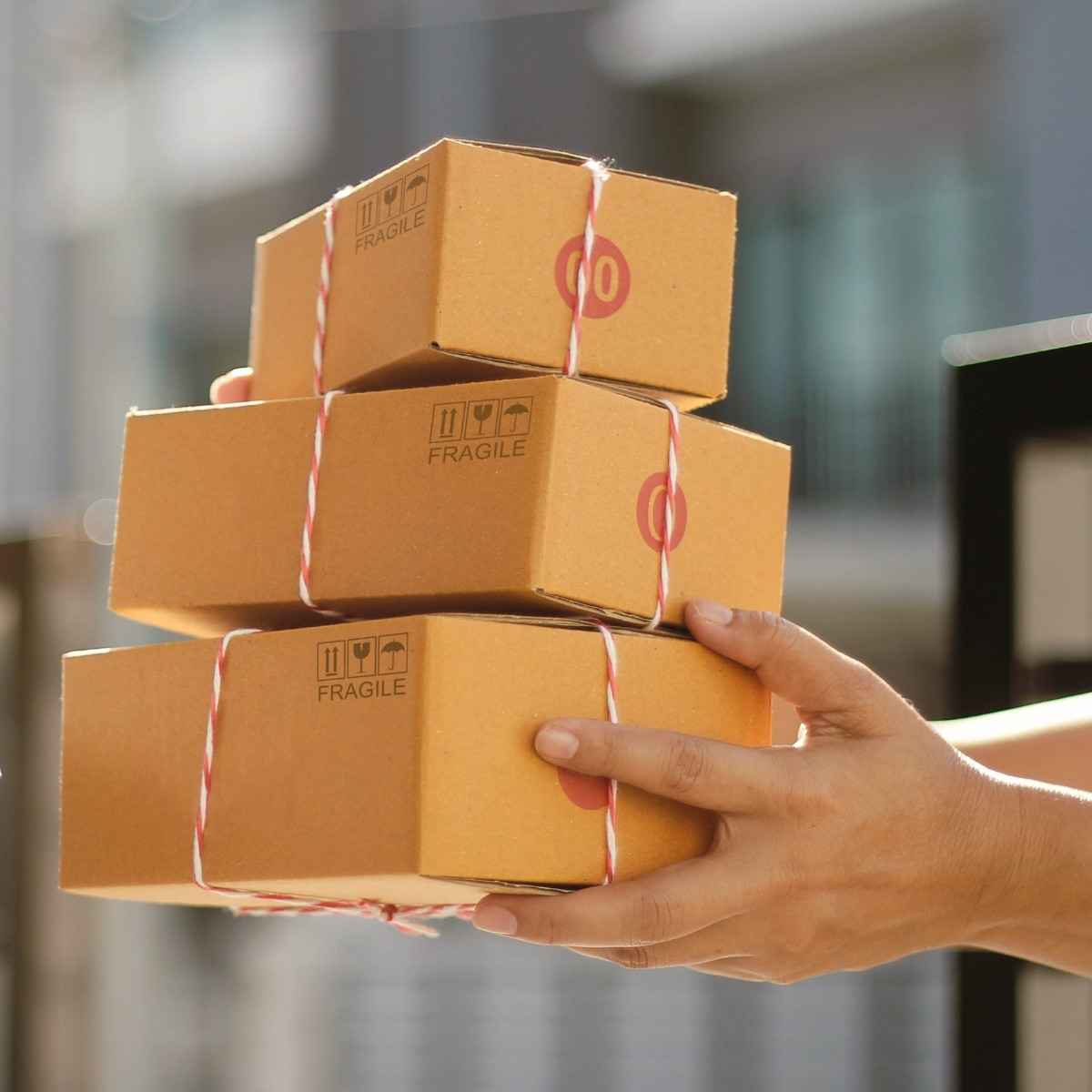
The way around this is a proxy shopping service: a company in Japan that buys the item on your behalf, receives it at their warehouse, and forwards it to you. It sounds complicated. It isn’t — but the fee structures are designed in a way that makes it easy to overpay, so here’s the plain version.
How proxy shopping actually works
- You find the item on a Japanese site — MUJI, Rakuten, Amazon Japan, Mercari, wherever — and copy the URL.
- You paste it into the proxy service and pay for the item plus their service fee, in yen.
- They buy it and have it shipped to their warehouse in Japan. This takes a few days.
- It sits in your warehouse locker. You can leave it there and add more things to the pile.
- When you’re done, you tell them to pack everything into one box, choose a shipping method, and pay international postage.
That last step is the one people underuse. Consolidation is where the savings are. One box of eight items costs far less to ship than eight boxes of one, and both major services store your items free for weeks while you accumulate.
Buyee vs ZenMarket: the fee math
These are the two services worth comparing for the kind of shopping this site is about. (Fees as of August 2026; the dollar figures move with the exchange rate.) The difference between them comes down to one thing: Buyee charges per order, ZenMarket charges per item.
| Buyee | ZenMarket | |
|---|---|---|
| Service fee | ¥500 (about US$3.2) flat per order, any number of items | ¥300–800 (about US$1.9–5.2) per item, depending on the store |
| Free storage | About 30 days | About 60 days |
| Consolidation | Free | Free |
| Mercari & auctions | Official Mercari partner; ¥500 (about US$3.2) per order | ¥800 (about US$5.2) per item |
| Watch out for | Optional guarantee plan added by default; roomy packing can inflate volumetric shipping weight | Deposit fee from around 1%; auction and Mercari orders can’t be cancelled |
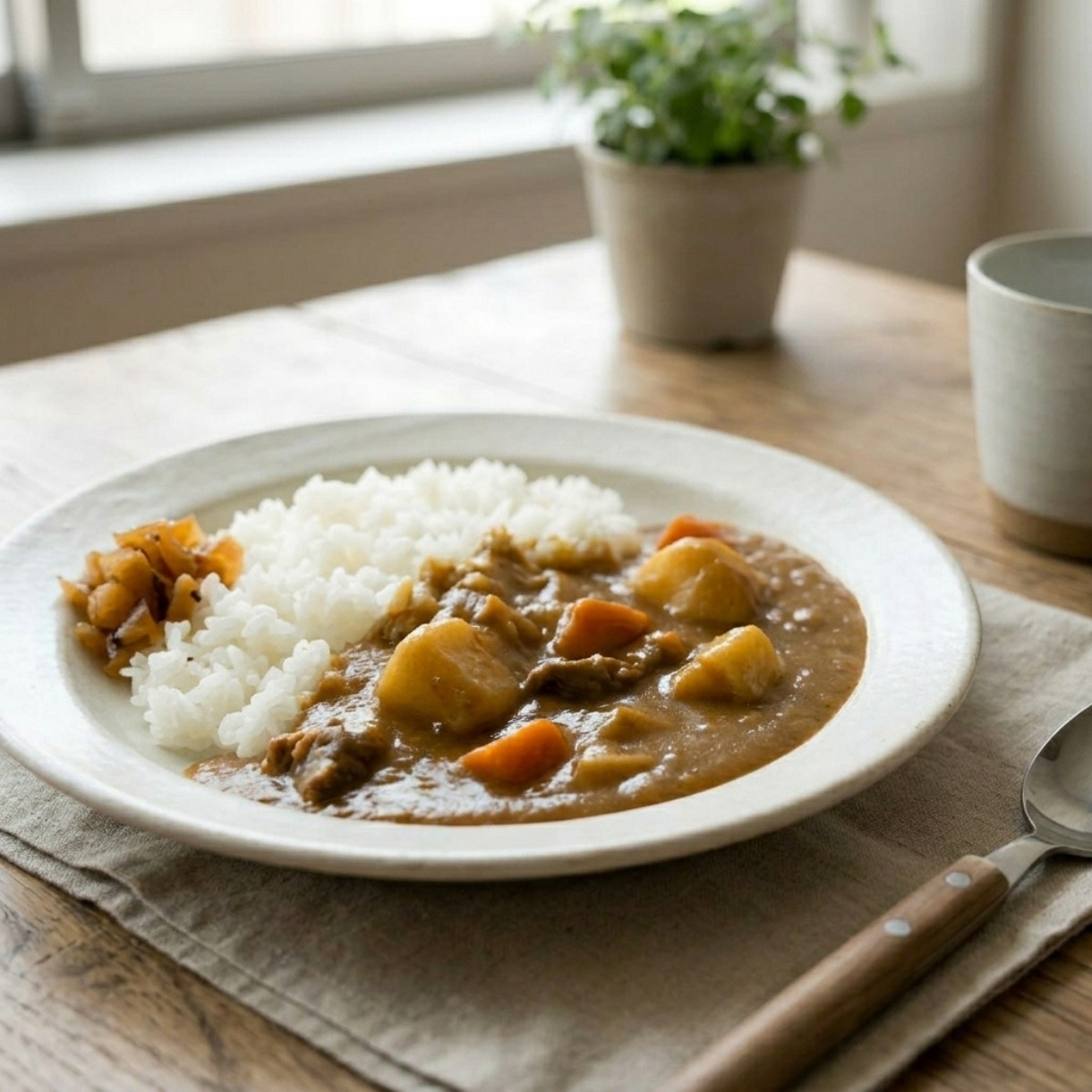
Put numbers on it and the pattern is obvious. Eight MUJI curries from one store: ¥500 (about US$3.2) at Buyee, ¥2,400–4,000 (about US$15–26) at ZenMarket. One item each from three different small shops: roughly ¥1,500 (about US$9.7) at Buyee, ¥900–1,500 (about US$5.8–9.7) at ZenMarket.
So which one should you use?
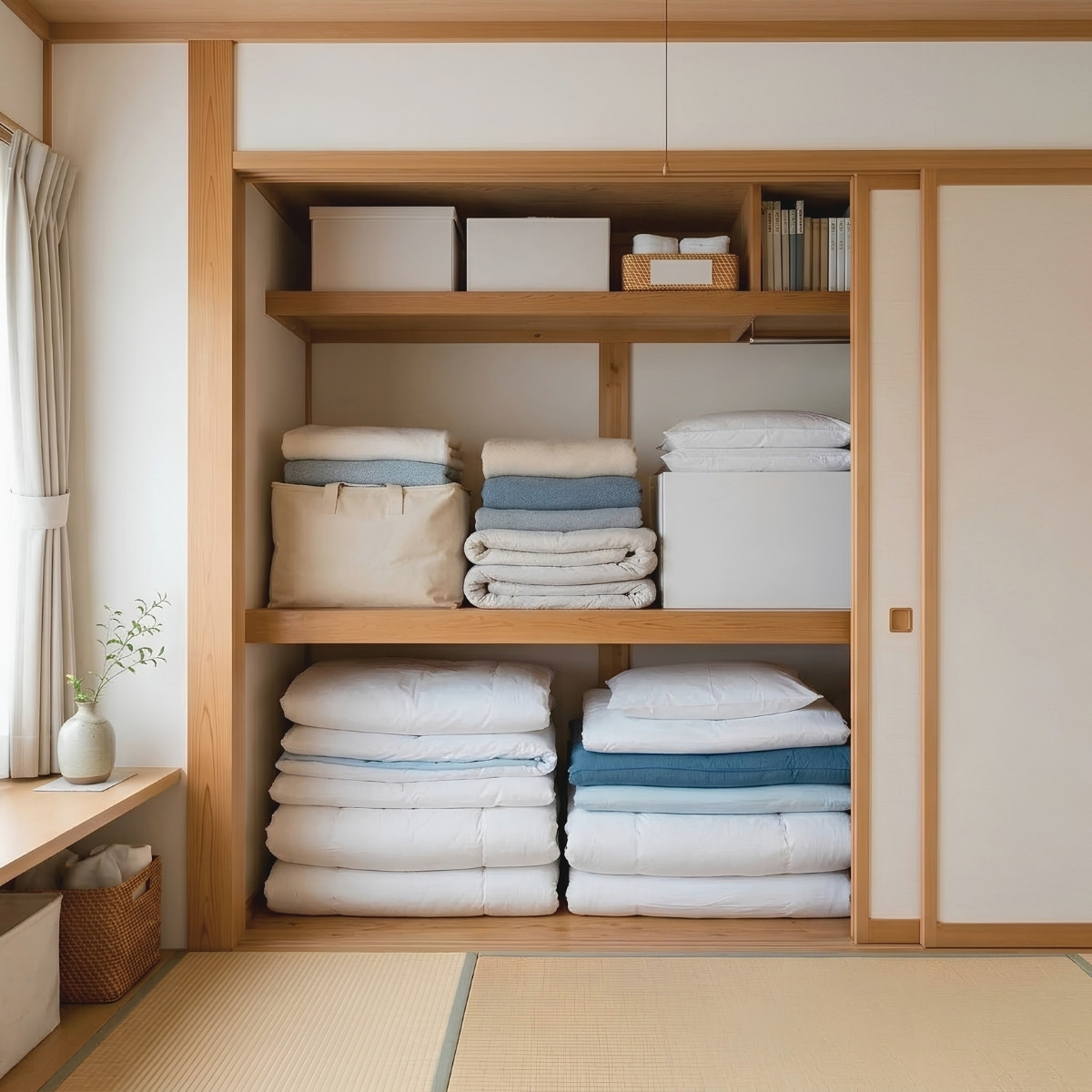
- Buying several things from one store? Buyee, without much thinking about it. This covers almost everything on this site — a MUJI haul, a stack of Yamazaki storage pieces — because it’s all one shop, so it’s one ¥500 (about US$3.2) fee.
- Buying one small thing each from several different shops? Run the numbers. ZenMarket’s per-item fee can come out lower when your cart is scattered across many sellers.
- Bidding on Yahoo Auctions or buying from Mercari? Buyee. It’s the official Mercari partner and the per-order fee crushes ¥800 (about US$5.2) per item.
- Planning to accumulate slowly over a couple of months? ZenMarket’s longer free storage window is the one place it clearly wins.
My own default is Buyee, and I use ZenMarket only when Buyee doesn’t carry the store I need. If you’re not going to think about it every time, that’s a reasonable rule to copy.
Shipping: the part that actually costs money
The service fee is small. International postage is not, and it’s where a ¥3,000 (about US$19) order becomes a ¥9,000 (about US$58) order if you’re careless.
| Method | Rough transit time | When it makes sense |
|---|---|---|
| DHL / UPS | 1–4 days | You need it now and don’t care what it costs |
| EMS | 4–8 days | The sensible default for most orders |
| Japan Post Airmail | 6–12 days | Light, low-value parcels |
| Sea mail | 1–3 months | Heavy, non-urgent things — cookware, ceramics |
Two things that cost people money without their noticing. First, volumetric weight: carriers charge on box size as well as actual weight, so a large box of light items can be billed as if it were heavy. Ask for compact packing if the service offers it. Second, shipping one item at a time, which means paying the base rate over and over. Wait, consolidate, ship once.
Customs, and a note on food
For the US, the FDA does allow food imports for personal use, and shelf-stable packaged goods are the easy case. Three caveats worth knowing before you order:
- Meat and dairy are the risk category. USDA rules, not FDA, govern those, and a curry containing beef or chicken is more likely to be held or refused than a vegetable one. If you want to avoid the question entirely, the plant-based options are the safe pick.
- Keep it personal-scale. Quantities that look like they’re meant for resale attract scrutiny that a box of eight pouches for your own kitchen does not.
- Declared value matters. Most countries have a duty-free threshold below which nothing is charged. Know yours before you build a large order — two medium shipments can be cheaper than one large one.
Rules vary by country, and this is general information rather than customs advice. Check your own country’s guidelines before ordering food, and be aware that anything perishable, alcoholic, or containing fresh produce is a different conversation entirely.
A realistic first order
If you’ve never done this, don’t start with a large haul. Pick three or four small, shelf-stable, non-fragile things from a single store, ship them by EMS, and watch what actually happens at each step and what each line item costs. You’ll learn more from one ¥4,000 (about US$26) order than from any guide, including this one.
Then, once you know the ropes, the interesting stuff opens up — and most of it never leaves Japan.